All too often self-built and renovated homes end up as bland as off-the-shelf developer houses. Charlie reveals some simple ideas to make yours special.
Designing a house is a complicated business. There are an almost incalculable number of decisions and variables that shape the design process and, therefore, your home. Well-designed unique homes are desirable, lovely to live in and ultimately more valuable than off-the-shelf alternatives. But all too often self-builders and those carrying out major renovations end up – thanks to constraints of space and budget, a designer with limited ‘vision’ or simply timidity about anything out of the ordinary – with a bland home too.
To avoid being sucked into bland you need a good design early on — and you need to stick to it. I believe there are a few straightforward ideas that will help you (and your designer) create a home that punches well above its weight.
Stairs Need Space
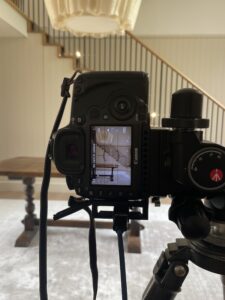
Don’t simply shoehorn the staircase in. They can be mean, narrow and tucked away (as per developer homes) or have drama and excitement. Stairs are always an expense but with some clever design and not a lot of extra money you can transform stairs from a perfunctory necessity into a show-stopper. I tend to put stairs in a double-height space to accentuate the connection between levels and therefore creating additional interest.
Raise the Ceiling
One of the things that sets the bland mood in a new developer house is measly ceiling heights. Almost invariably 2.4m, and in many cases less, such ceiling heights create a slight feeling of claustrophobia and give wider, longer rooms an unsettling letterbox feel. The increasing invasion of downlights, smoke detectors, air ducts and speakers that litter ceilings only increase this top-heavy feel. The good news is that high ceilings make small rooms feel generous and are an absolute must for large spaces. Big rooms with 2.4m ceilings feel squat. You can easily attain that feeling of grandeur by designing ceiling heights of at least 2.7m and preferably 2.9m. The extra materials used will add cost to the build but it’s worth it for a luxurious feeling of space.
A Dressing Room
A master bedroom suite increasingly helps define a home’s value — the people using these rooms are paying for the house, after all. Dressing rooms are a real luxury and don’t have to use much extra space — a bedroom with less clutter can be smaller and still feel spacious.
A Larger Hallway
The impression you get when first entering a building sets the tone of a home. There is nothing worse than cramming into a small hall when you arrive at a house, so always be generous with your entrance. You only have to try and shuffle your family/friends in and out the door with bags, coats, dogs and wellies a few times before you understand how crucial the hall is.
A Big Front Door
As a central part of the arrival experience, the front door is always worth spending time and money on to get right. Much like the hall, it sets the tone. Go wide and go tall.
Position Windows from Inside Out
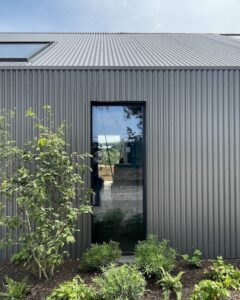
Far too often windows are placed to look symmetrical and neat on an elevation. The real function of windows is to create views and bring in light — not as a decoration for the exterior. I tend to start by placing windows from the inside out and then try to make the elevation work.
No More Tiny Doors
Why do people stick to bland standard-sized doors when a large door blank and an extra set of hinges cost just a few extra pounds? Don’t just go wider, go taller as it draws the eye up, accentuating height and space.
Double Height
There is huge pressure on self-builders and renovators – especially with the growing trend in valuing houses using floor area – to do away with double-height spaces. This is a mistake — double heights don’t waste space, they make space. In many ways it is the perception of space rather than a measurement that defines how a home feels. I use every opportunity to connect the different levels in a building, with views and light creating interesting shapes, light effects and a dynamic experience.