Headquarters for Ethical Finance Company Gloucestershire
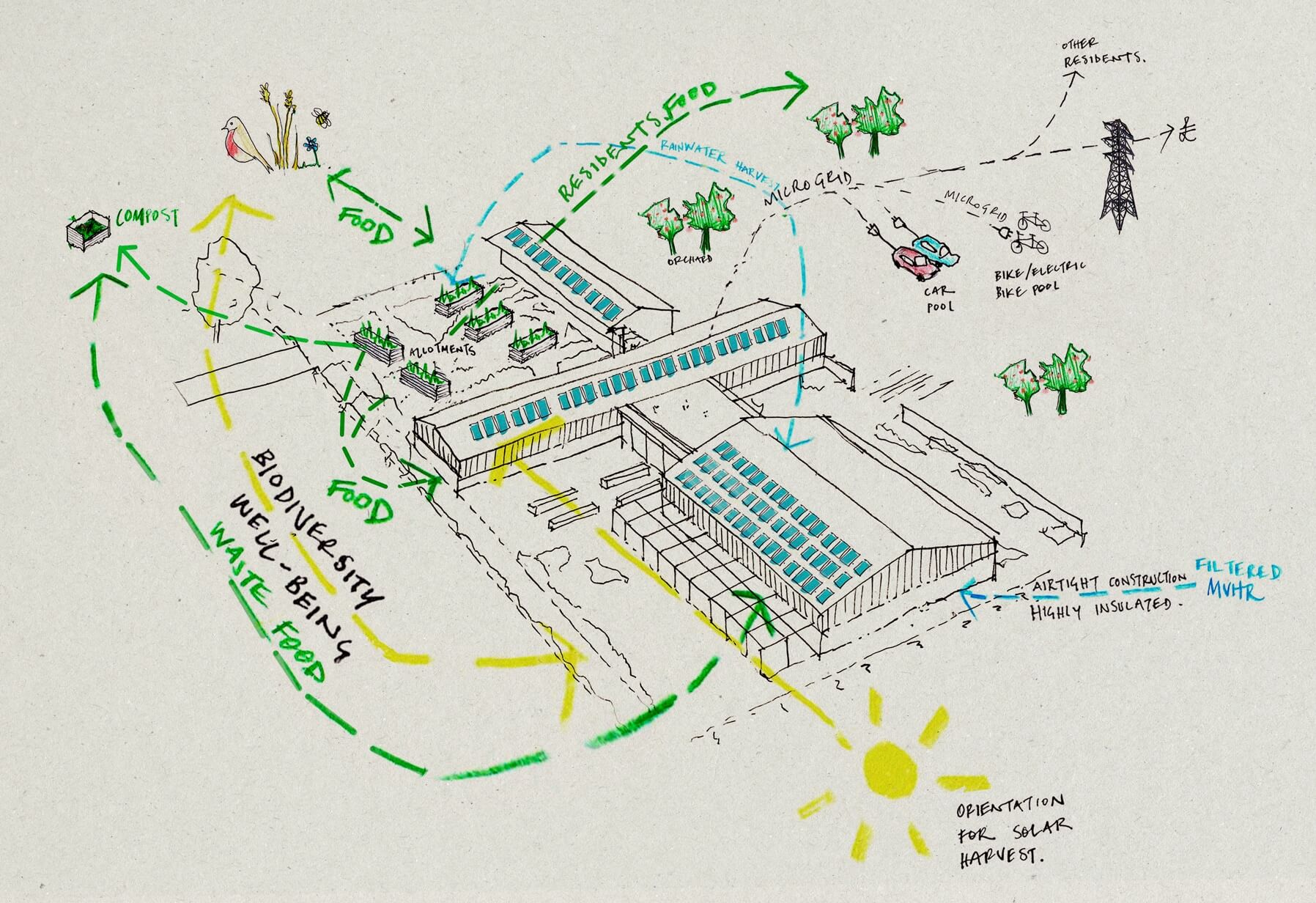
Home Farm is the new headquarters for an employee-owned ethical finance company whose work centres on sustainable investment and community impact. The project seeks to be a regenerative and circular thinking exemplar, reflecting the values of the organisation it houses.
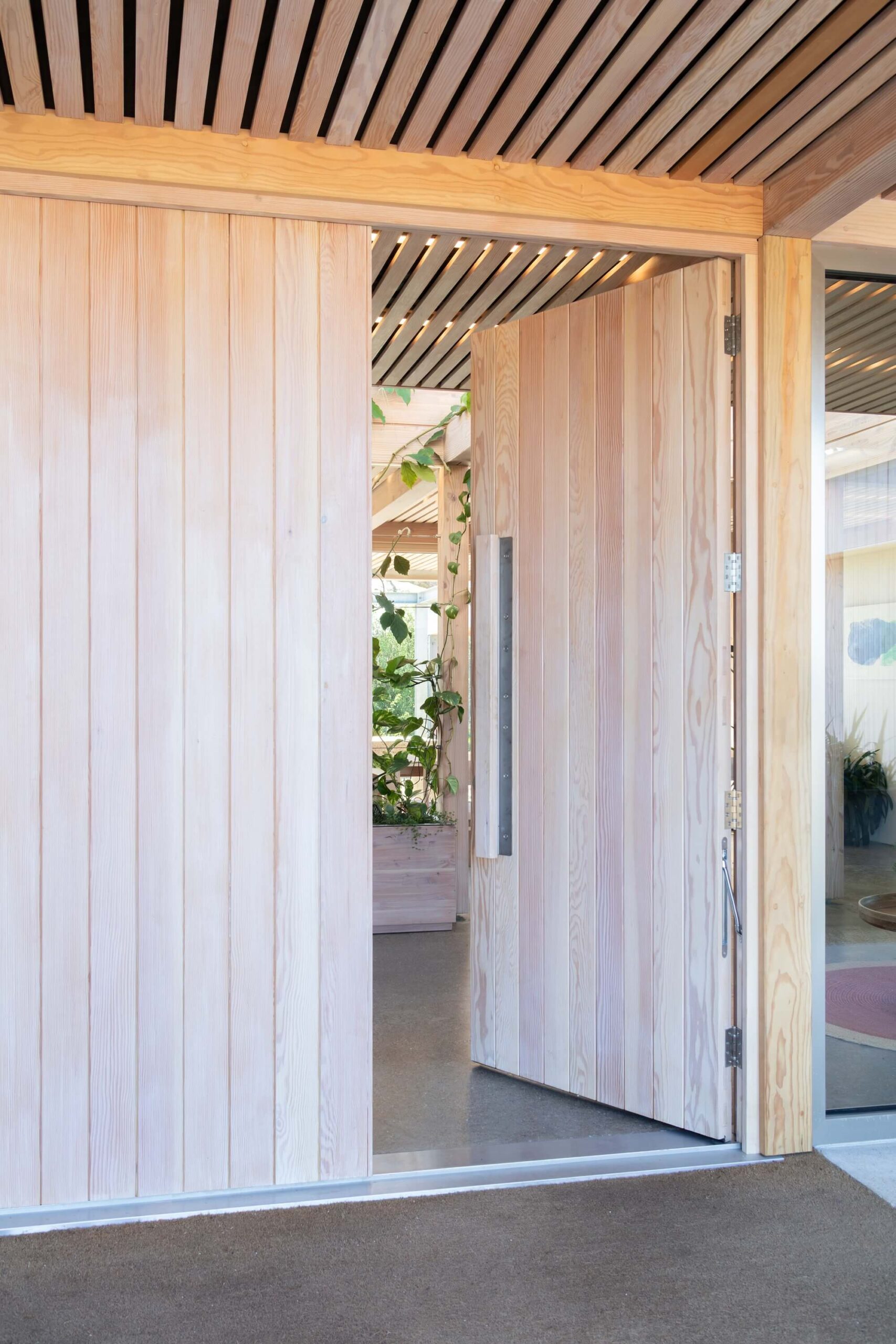
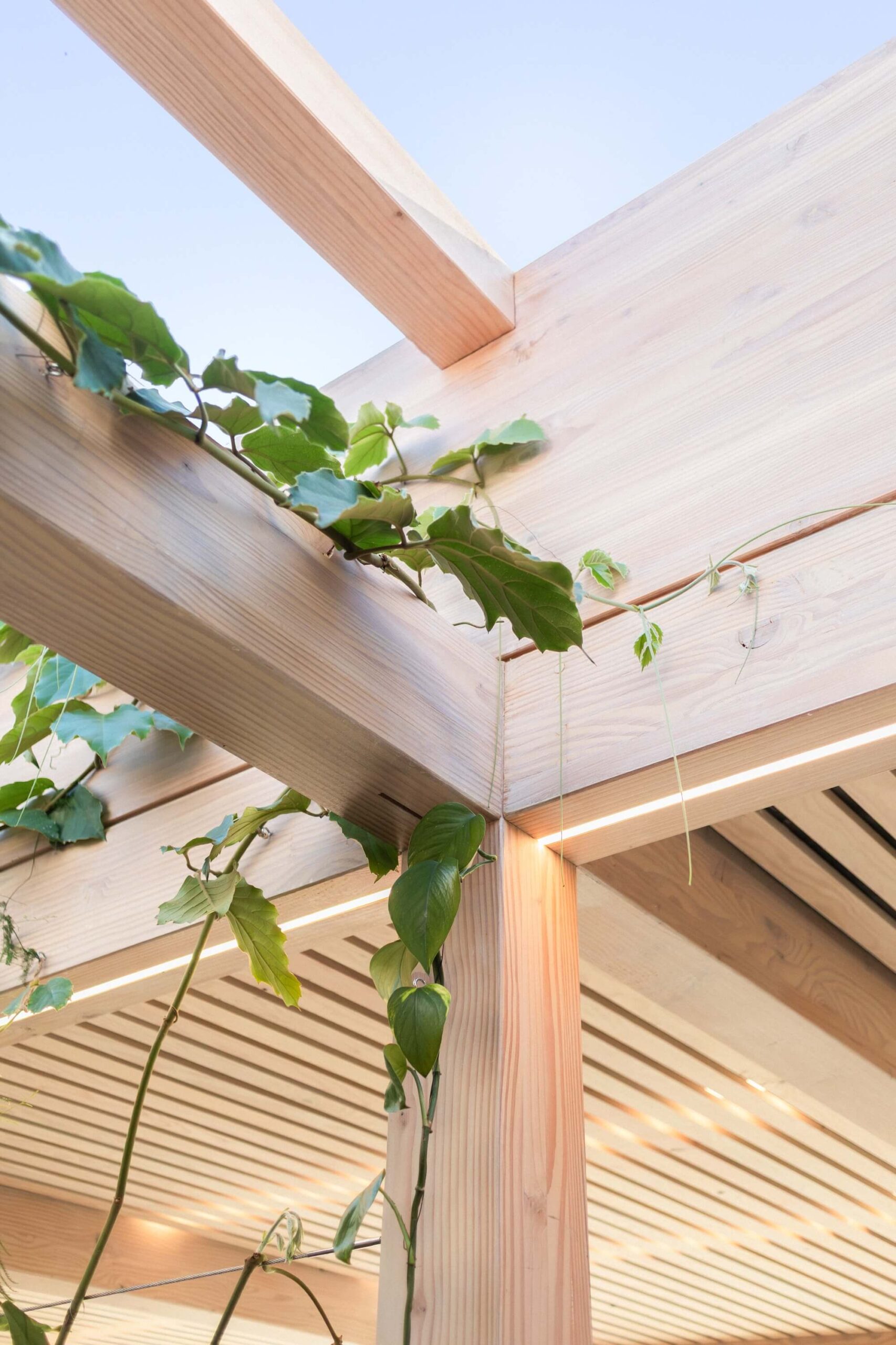
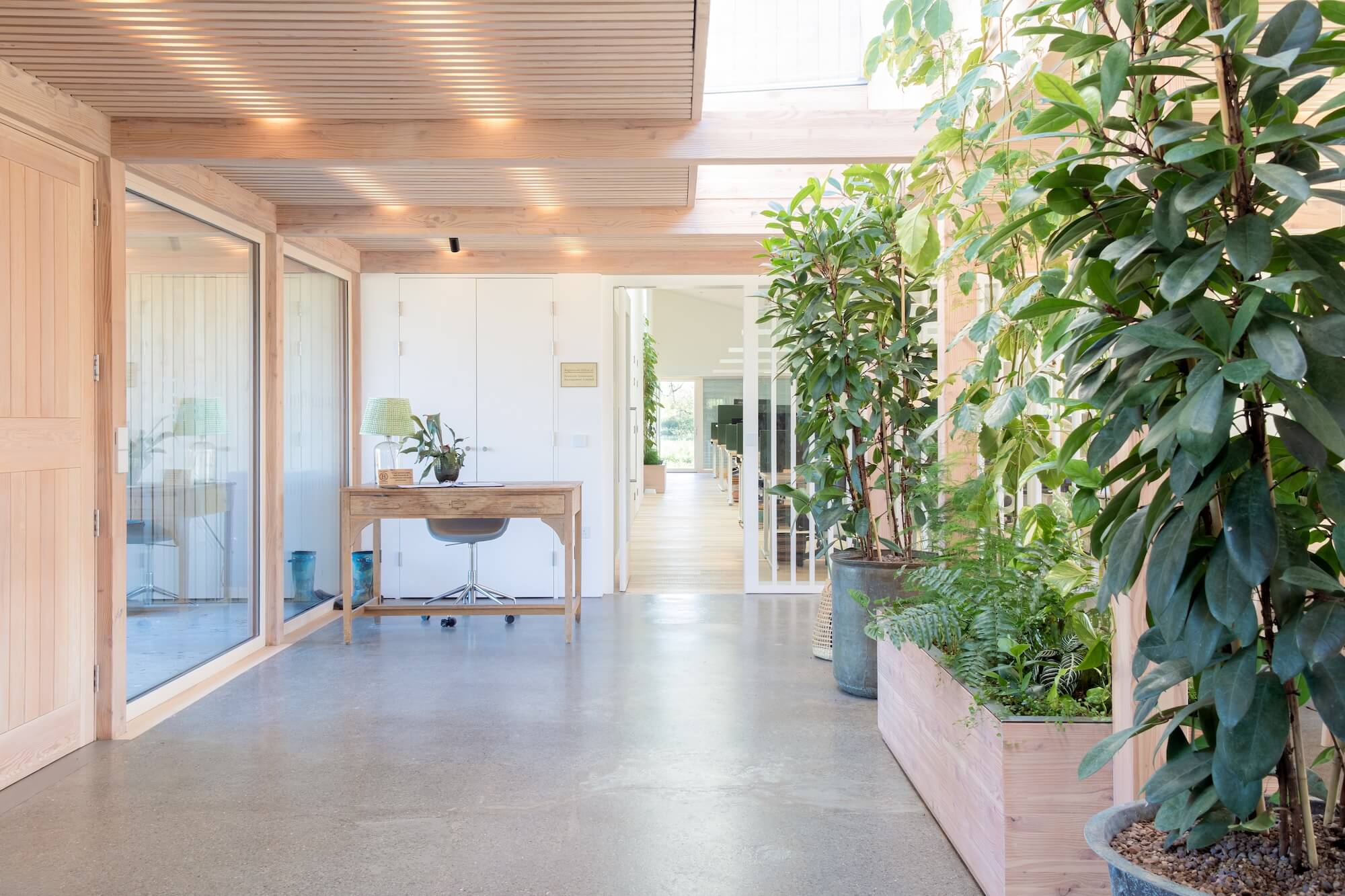
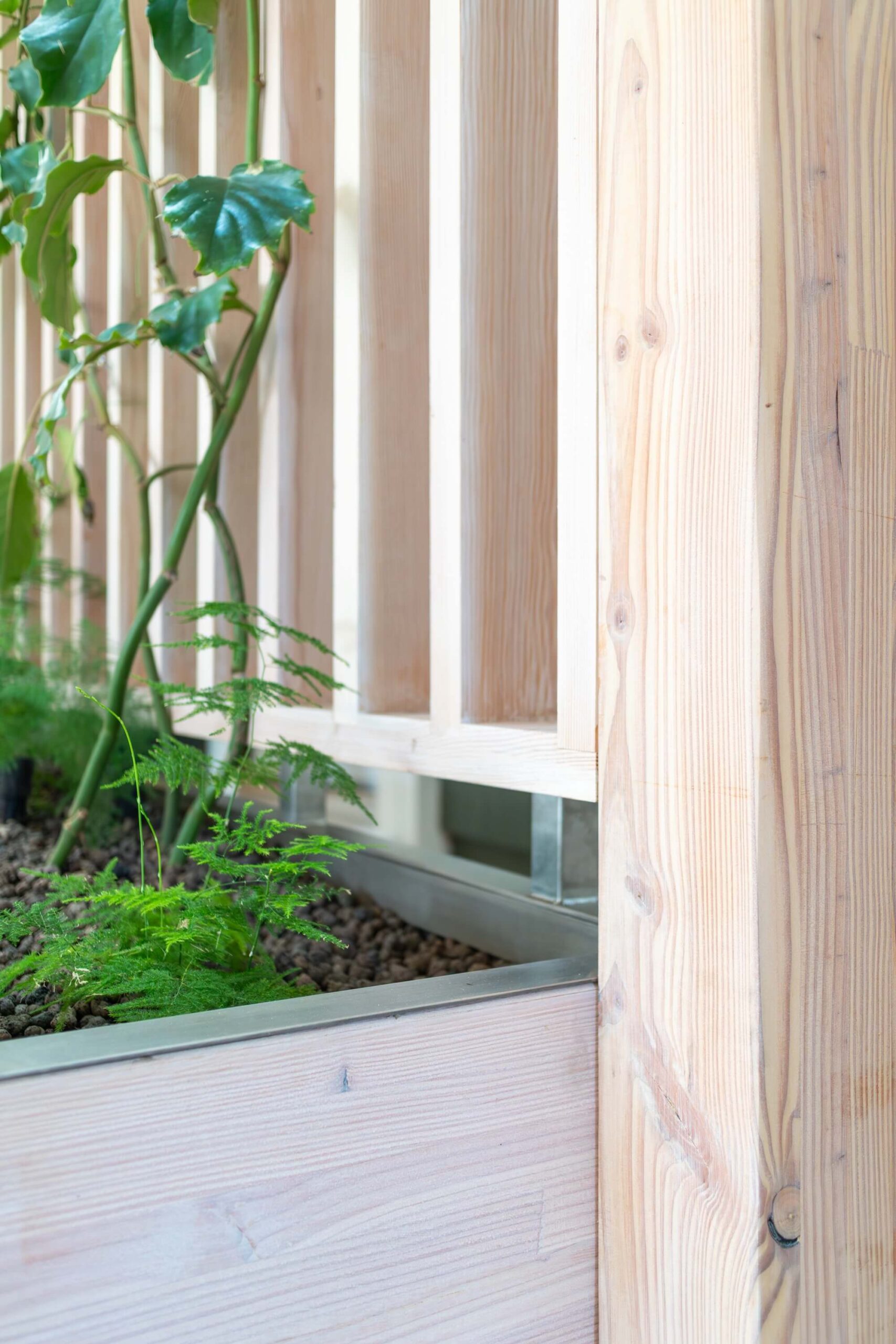
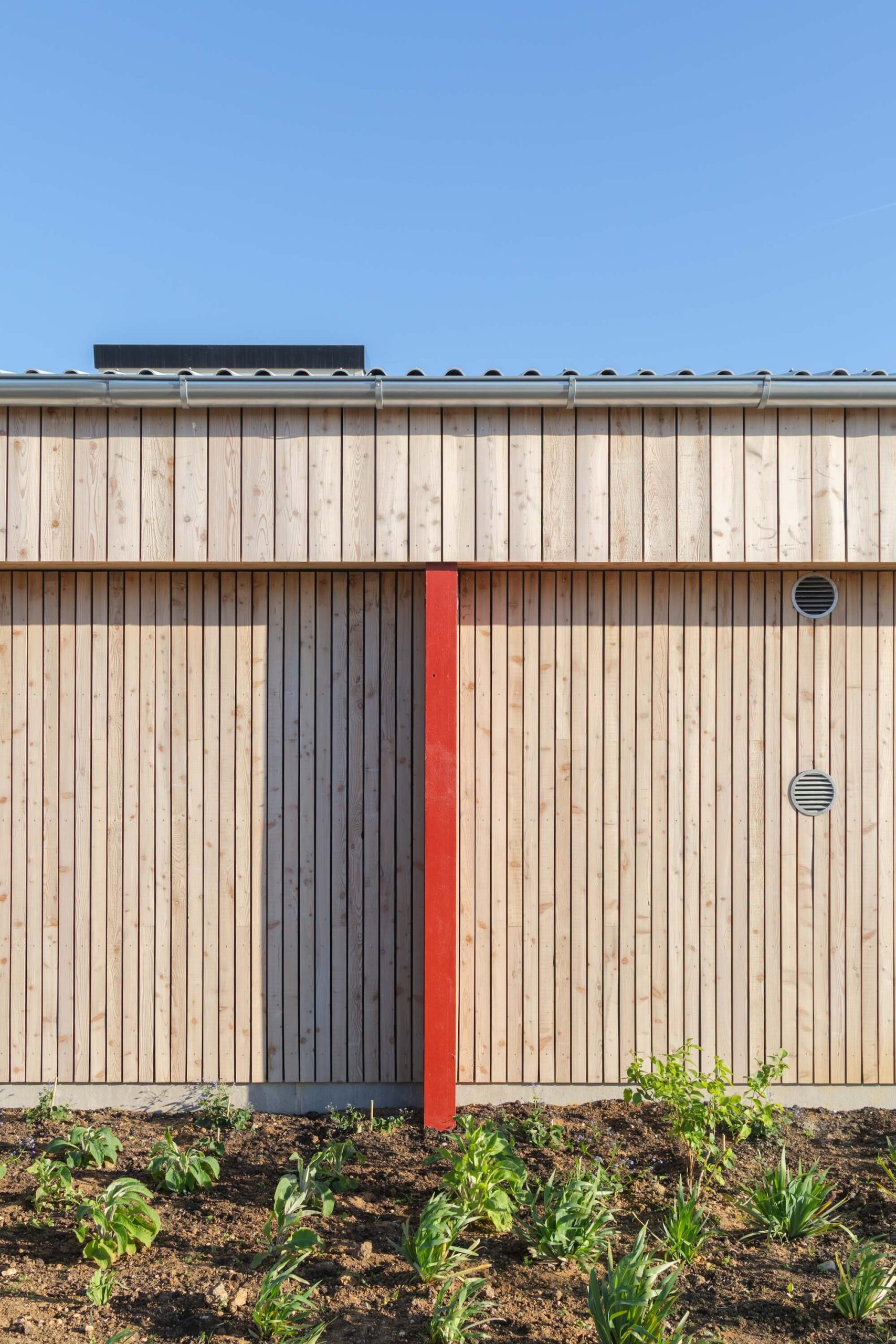
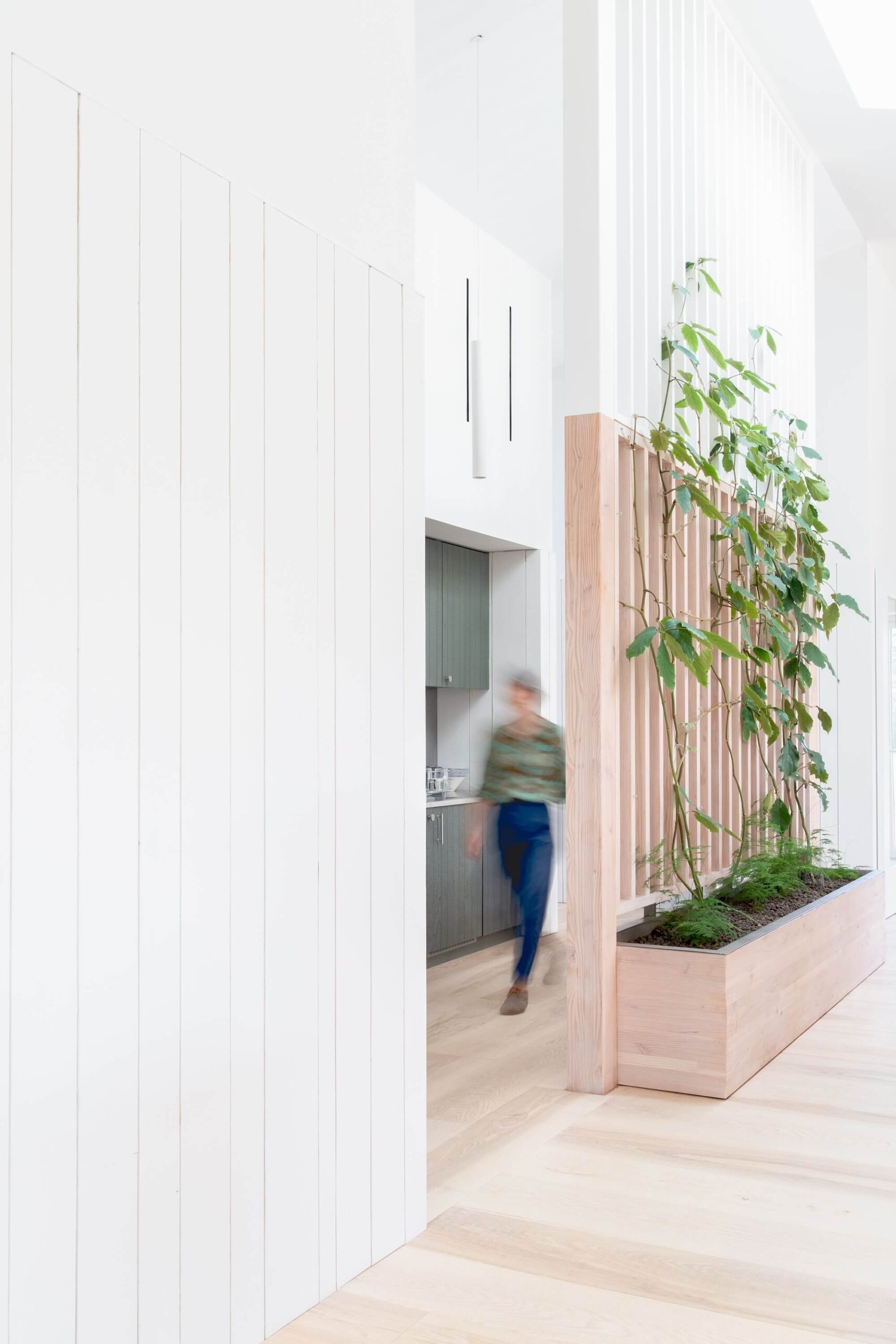
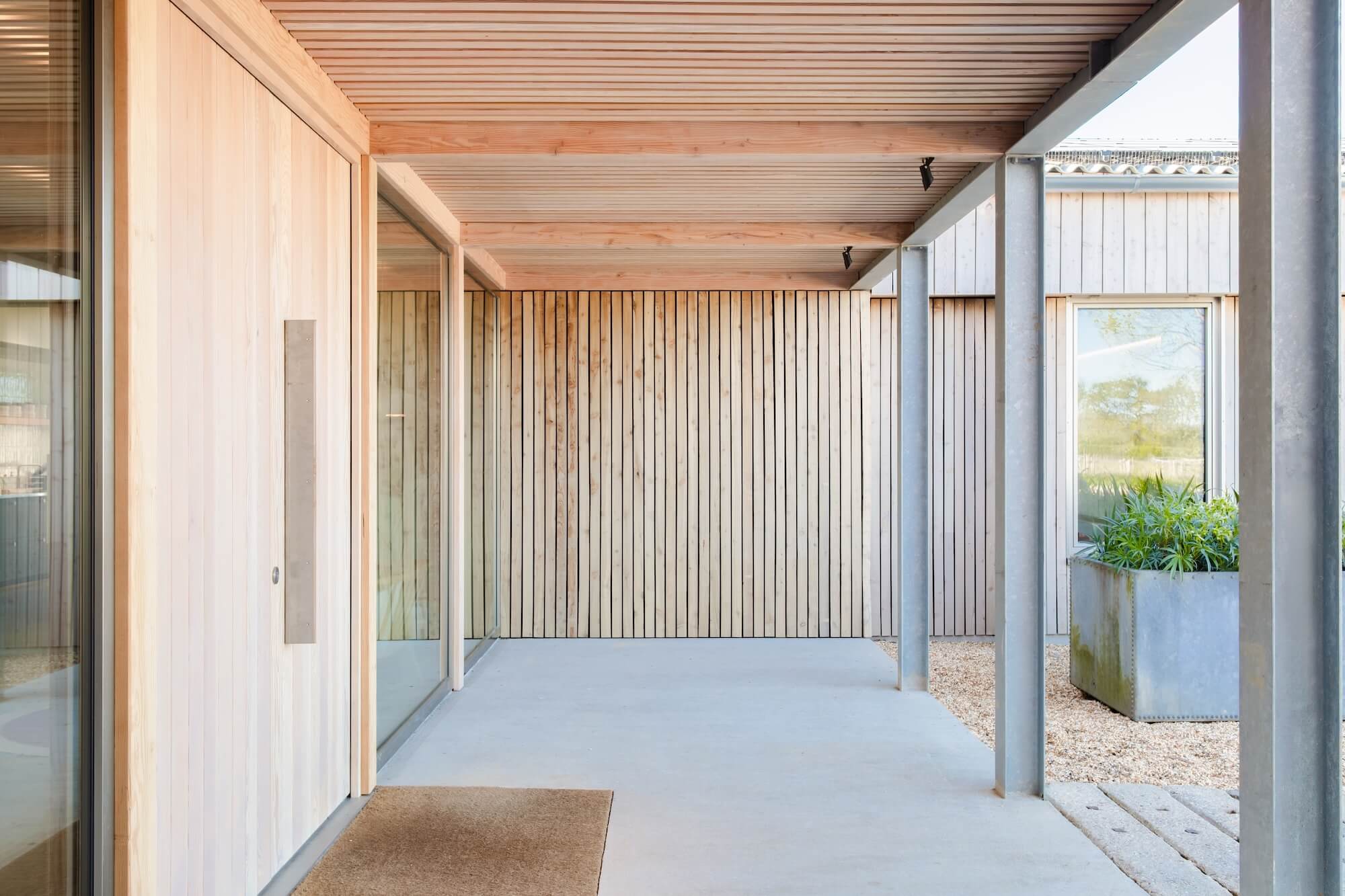
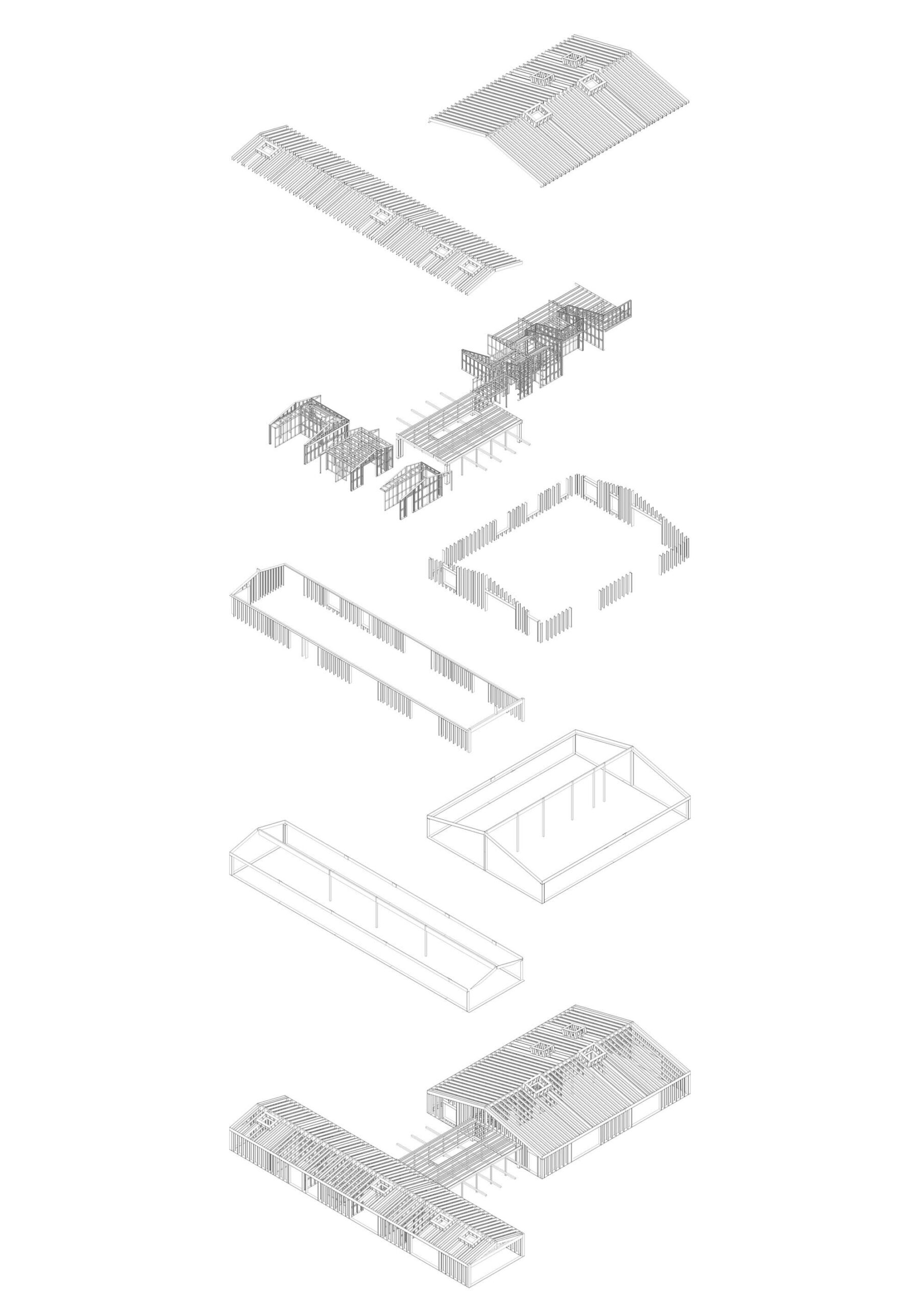
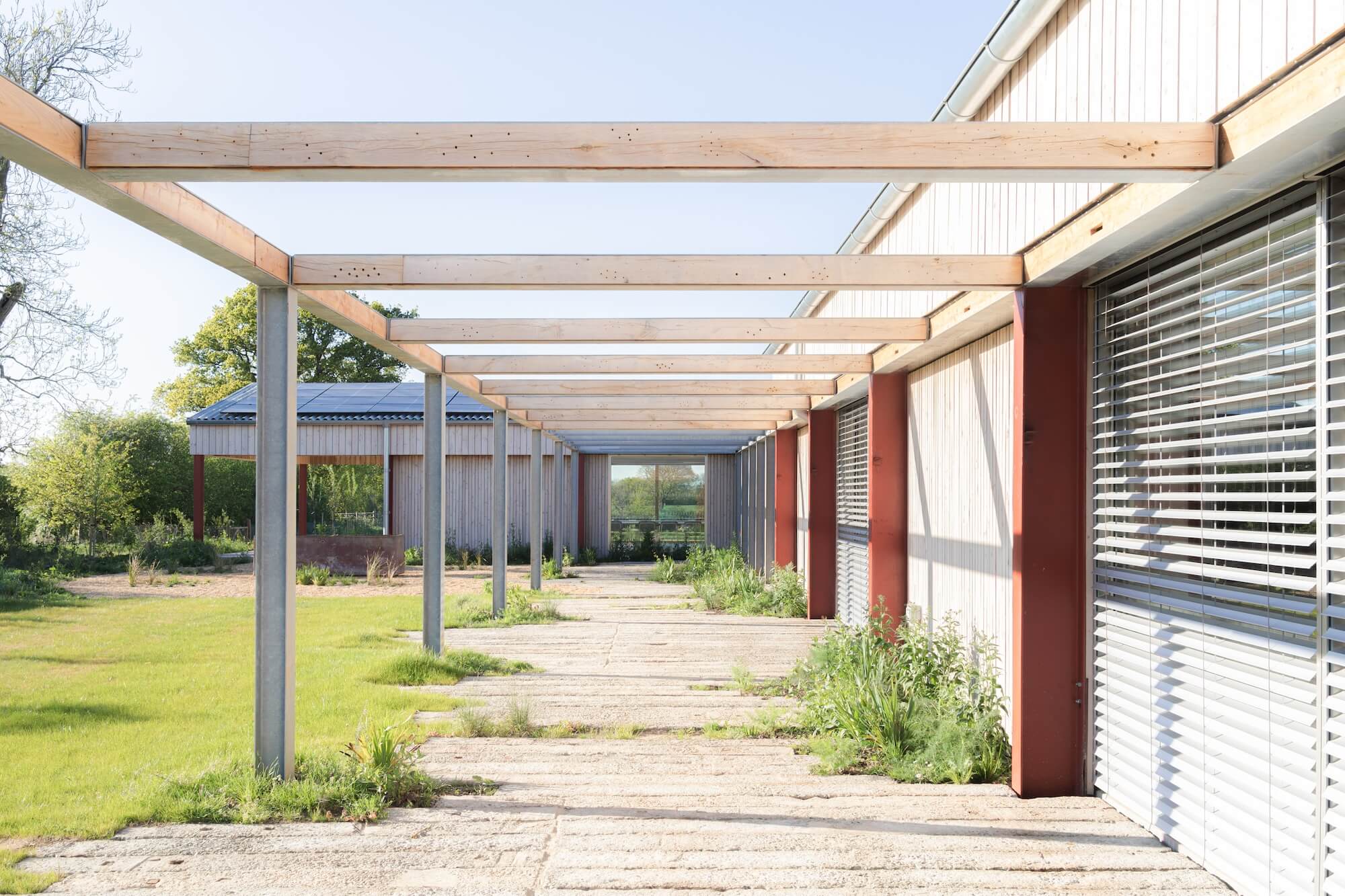
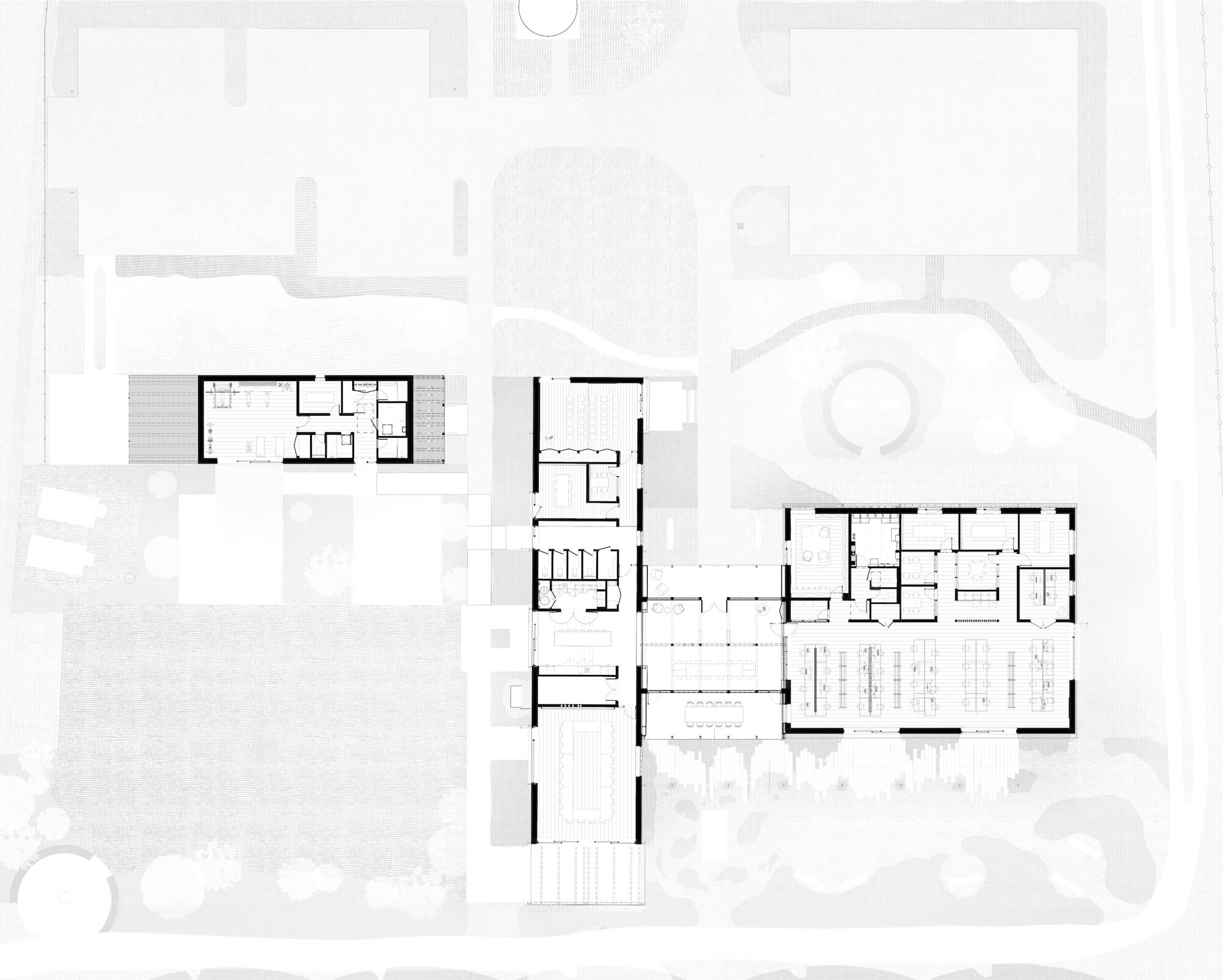
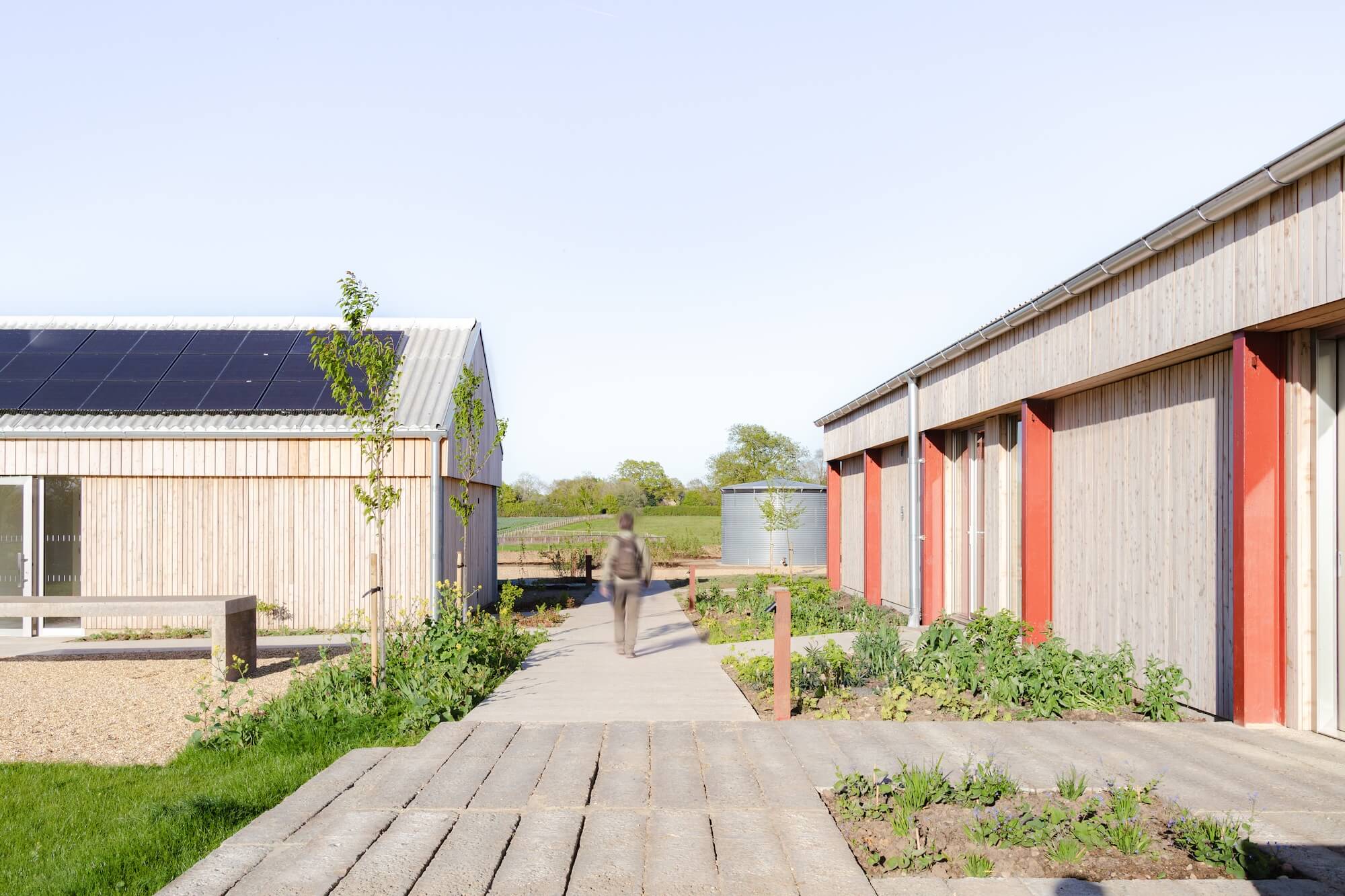
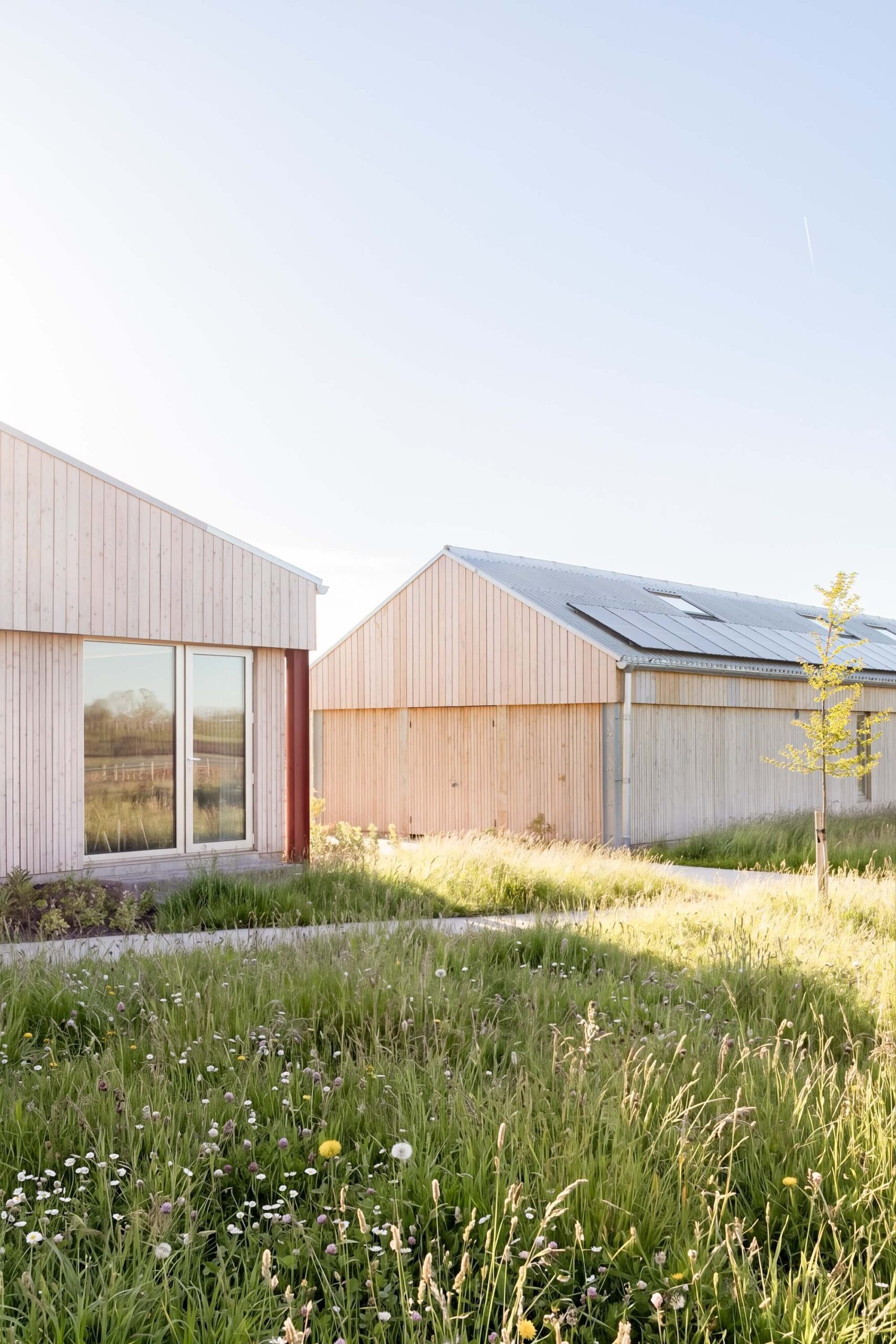
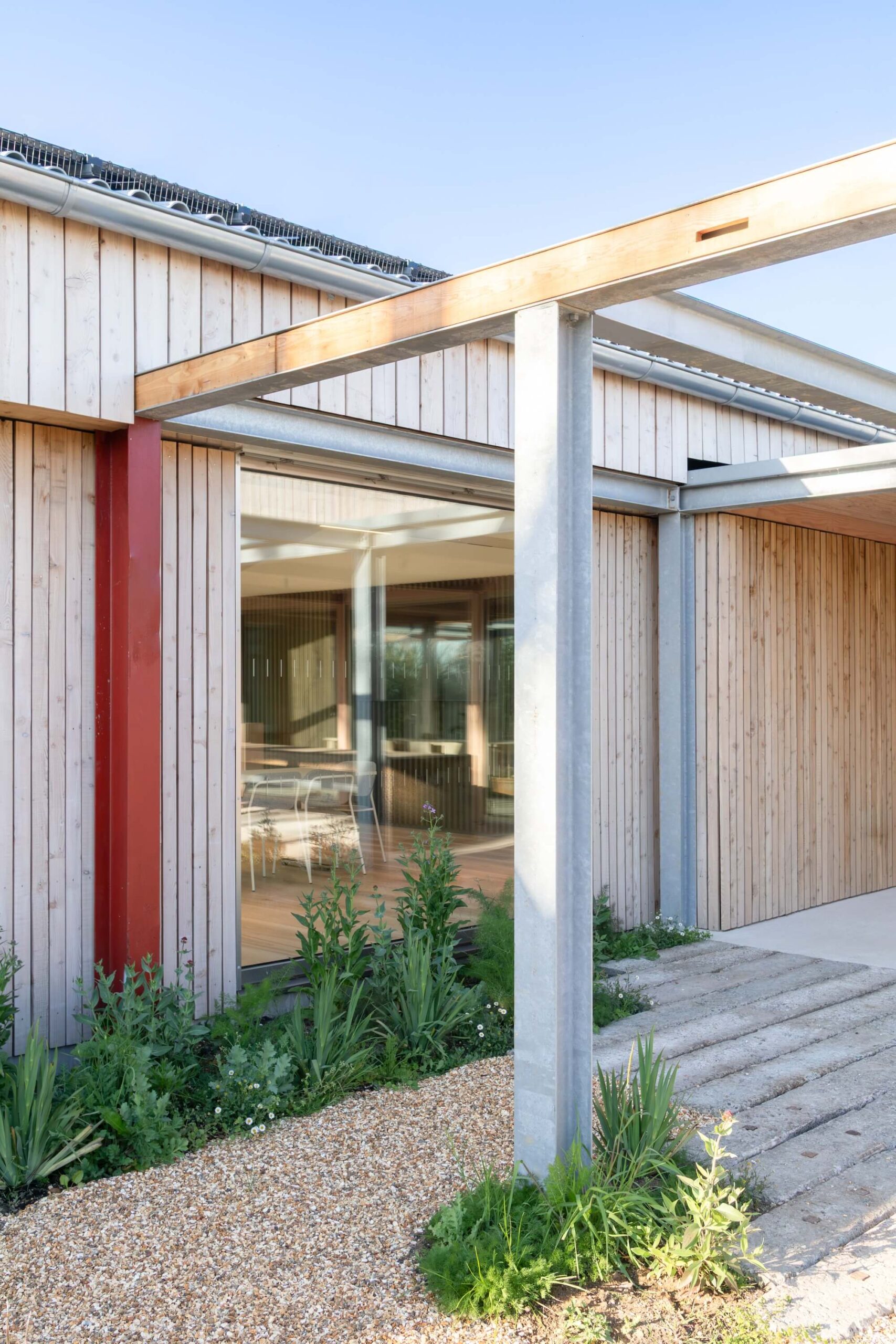
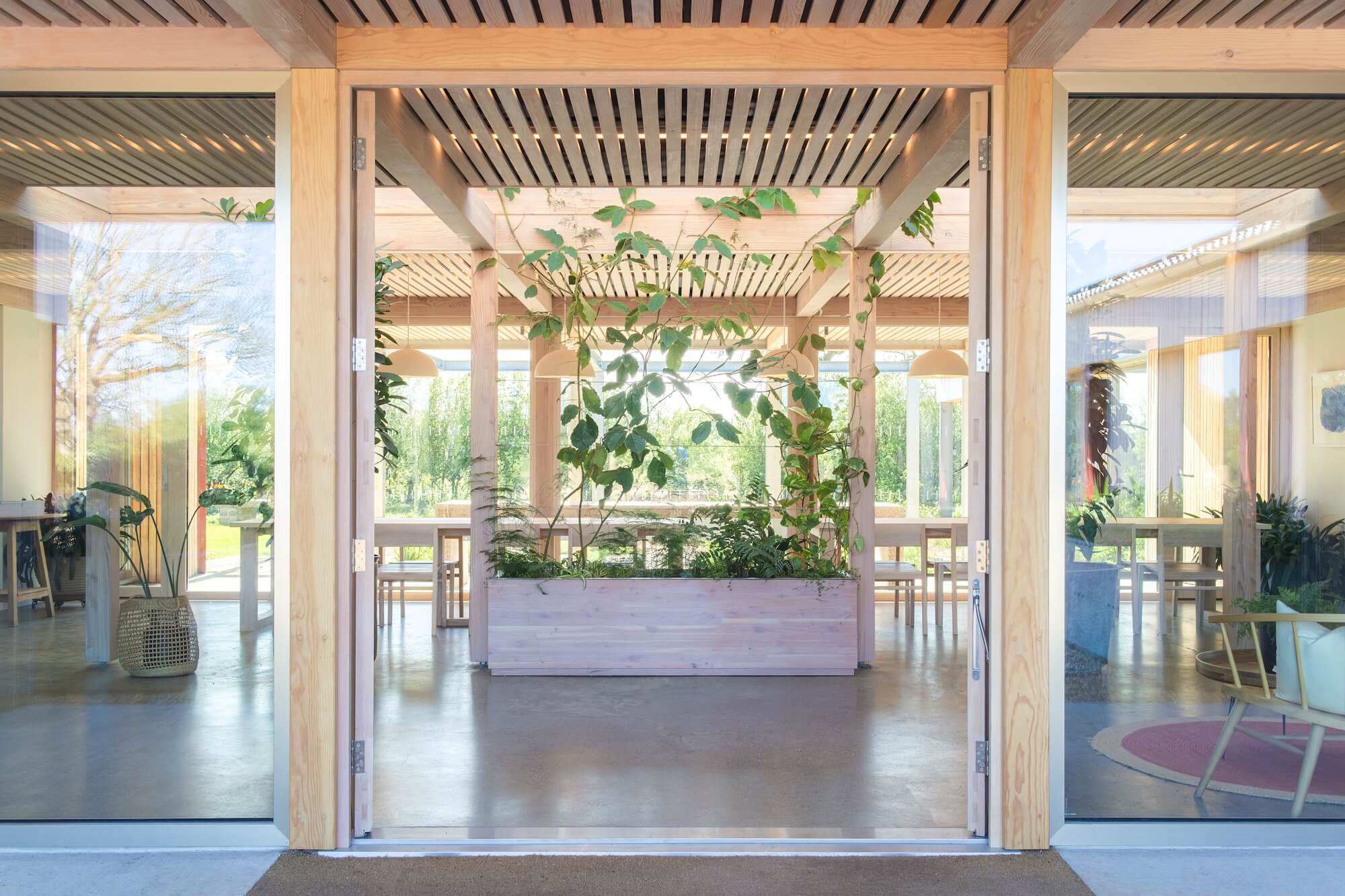
The design adapts a pair of existing steel-framed agricultural barns, retaining as much of the original structure and foundations as possible to reduce embodied carbon. High performance bio-based glulam and timber I-beam structures were built within the external steel frame to achieve passive equivalent performance. The frames and internal partitions were pre-cut off-site and insulated with recycled cellulose, reducing the frame's waste to around 0.7%. A slender glulam link connects the two barns, while a modest new timber structure provides a gym and equipment store for the wider 24-acre site.
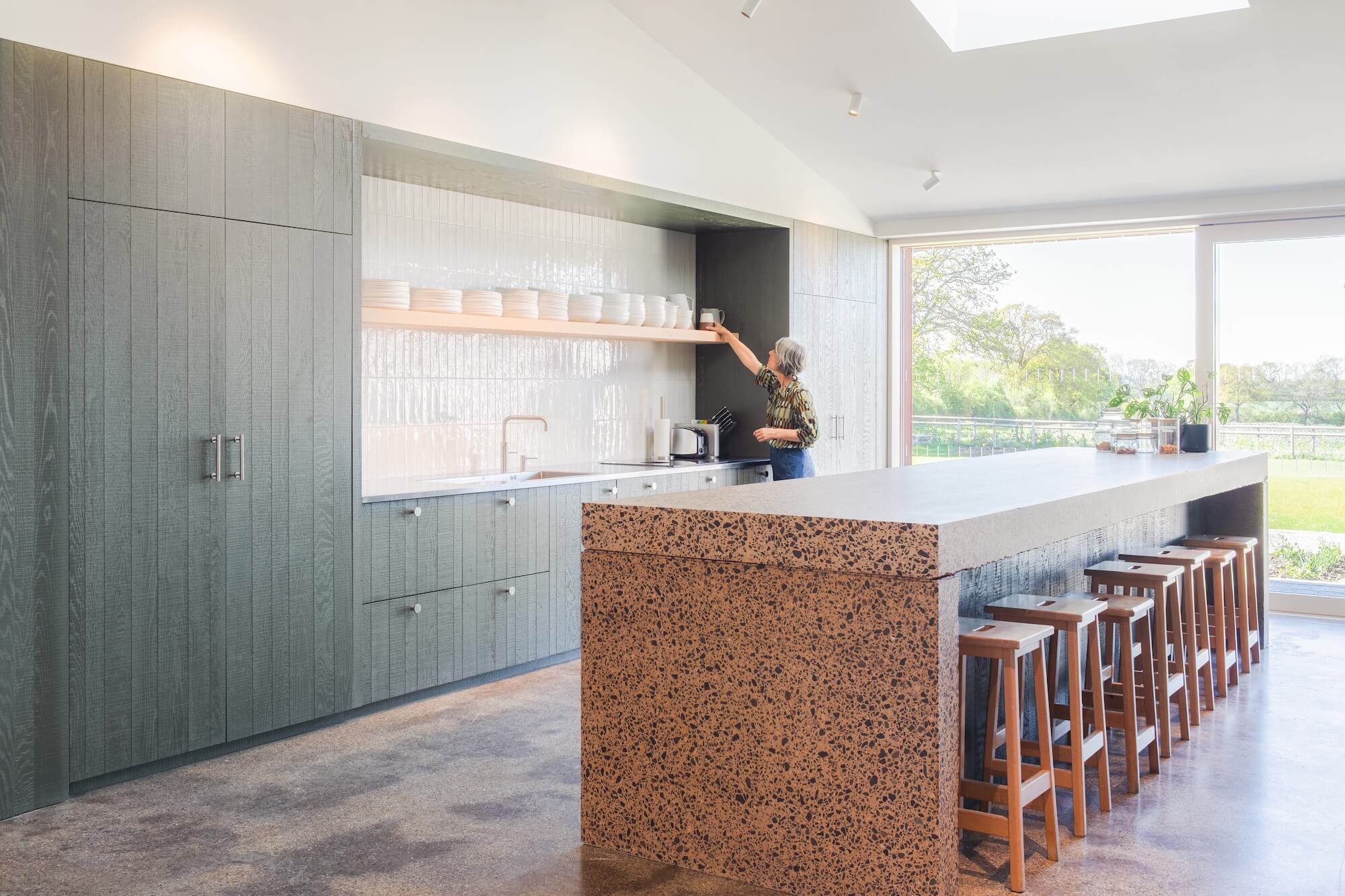
A large-scale photovoltaic and battery system generates clean electricity for the building and on-site EV charging, reducing pressure on the local grid. The 850m2 of flexible office space is designed for shared use; the finance company occupies the
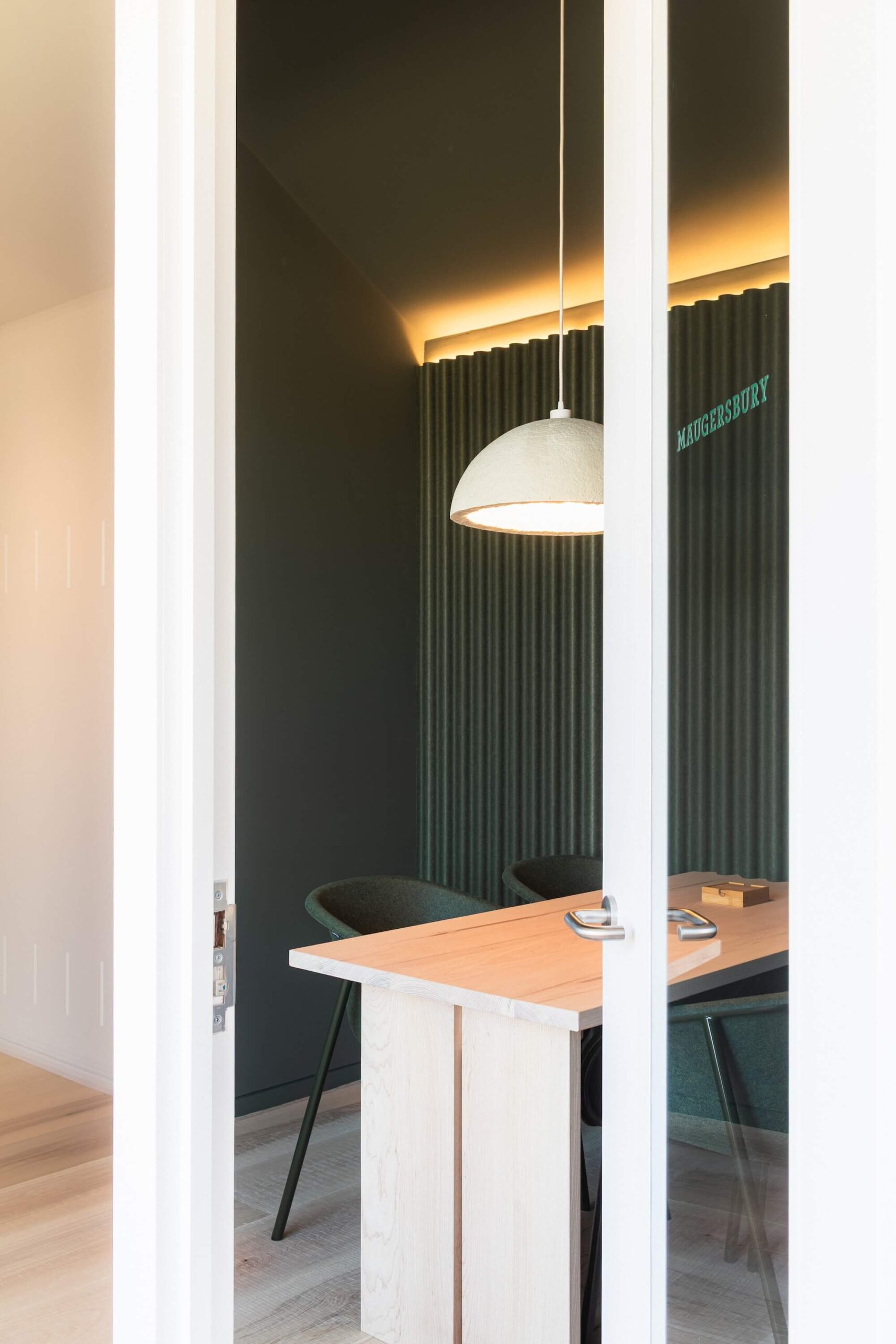
building from Monday to Wednesday, while Thursdays and Fridays are given over to an education programme run by their foundation. The gym and meeting rooms are offered to the local community throughout the week. Careful thought was given to access and circulation to ensure the building can accommodate these different uses.
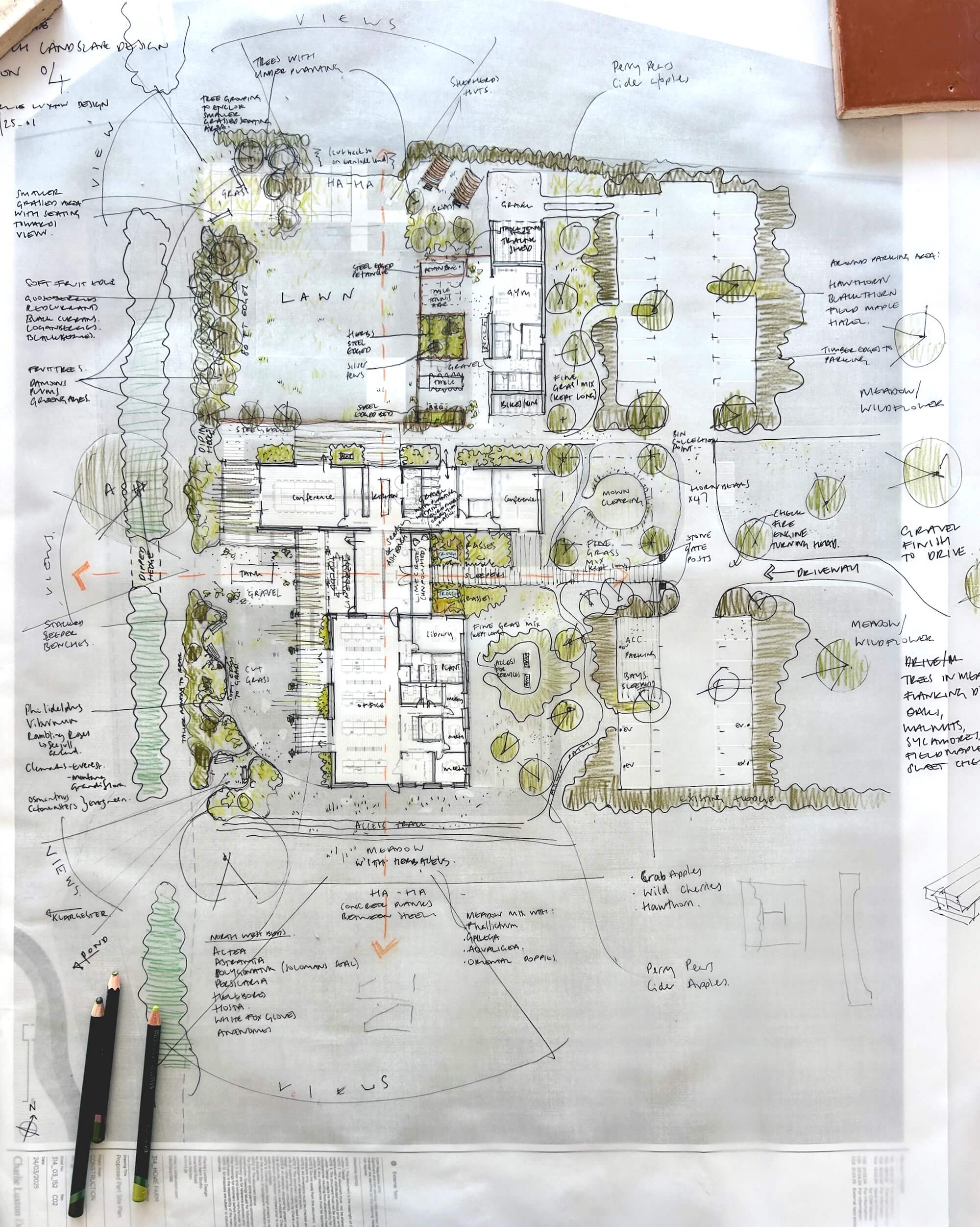
The surrounding landscape is where the project's ambitions become most visible. Restoration of the 24 acre site was integral to the brief. Over 450 trees and a kilometre of new hedging have been planted, 8 acres returned to wildflower meadow, and 12 acres of traditional ridge-and-furrow grassland restored and grazed by a local shepherd. Planting is predominantly native species, chosen for their bio-diversity benefits and much of it grown from seed. Bat boxes, bird boxes, and habitats for solitary bees and wasps are built into the fabric of the building itself to provide habitat for both humans and nature.
Carbon sequestration across the site is estimated at between 2,500 and 4,000 tonnes, with the building projected to reach carbon neutrality within 12 to 15 years.